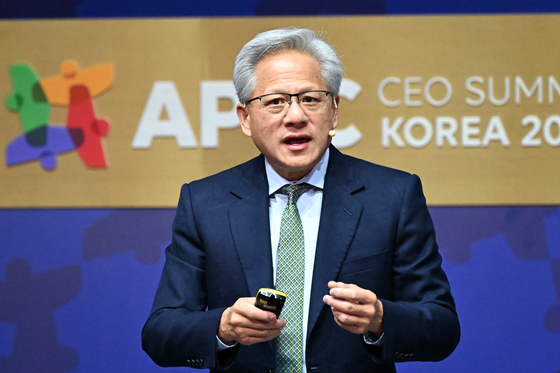
Nvidia CEO Jensen Huang’s recent visit to South Korea has drawn worldwide attention — not only from tech analysts but also from investors tracking the next phase of the global AI boom. During his trip, Huang expressed optimism about U.S.-China relations following recent discussions between former President Donald Trump and Chinese President Xi Jinping, while also reaffirming Nvidia’s commitment to expanding partnerships across Asia. As markets digest his comments, investors are looking closely at what this means for the semiconductor supply chain, AI growth, and the broader technology sector heading into November 2025.
Key Events — Huang’s Visit and the Broader Context
Jensen Huang’s South Korea trip marks another chapter in Nvidia’s rapid global outreach. Over the past year, Nvidia has expanded partnerships across Asia, including with major South Korean tech players like Samsung Electronics and SK Hynix. Analysts suggest the visit underscores the company’s intent to strengthen supply resilience and regional R&D cooperation amid growing AI chip demand.
In Seoul, Huang reportedly met with key South Korean executives to discuss collaboration on advanced chip manufacturing and AI infrastructure. His remarks on being “confident” about constructive U.S.-China dialogue added an element of diplomatic reassurance to investors worried about global supply chain friction.
The timing is significant. The semiconductor industry remains one of the most sensitive sectors affected by geopolitics. Nvidia, whose stock has surged more than 180% year-to-date, is both a symbol of AI-driven optimism and a barometer for investor sentiment on global trade stability.
How Markets Reacted
Following Huang’s appearance, Nvidia stock (NVDA) saw modest upward momentum in extended trading, with broader Asian semiconductor equities also rising. In particular, South Korean chipmakers — including Hynix and Samsung — saw gains on speculation of potential Nvidia collaboration.
The South Korean KOSPI Tech Index closed the week higher, and local suppliers involved in AI hardware surged. Market analysts believe Huang’s trip provided a “psychological boost” to the region’s technology sentiment at a time when investors are looking for clarity after a volatile October.
Meanwhile, across U.S. markets, tech-heavy indices like the Nasdaq 100 and S&P 500 Technology Sector have maintained a cautious optimism. Traders note that Nvidia’s continued push for diversification in Asia could stabilize earnings and reduce geopolitical risk exposure — a point institutional investors are closely tracking as earnings season approaches.
Why It Matters Globally
Nvidia’s role in the global economy extends beyond chips. The company’s GPUs power nearly every major AI model and data center, making it a strategic player in AI infrastructure.
Huang’s South Korea visit highlights three key global implications:
- Strengthening Asia Supply Chains: As AI demand explodes, supply bottlenecks remain a concern. Partnering with South Korean manufacturers could help Nvidia expand production capacity while maintaining advanced fabrication quality.
- Diversification from U.S.-China Tensions: Nvidia’s outreach to South Korea reflects a strategic hedge amid U.S.-China tech restrictions.
- AI Ecosystem Expansion: By collaborating with regional firms, Nvidia could further embed itself in global AI ecosystems — from autonomous vehicles to smart manufacturing.
For global investors, this suggests continued momentum in semiconductor equities and related ETFs. AI infrastructure spending, projected to reach $500 billion by 2027 (according to McKinsey), may increasingly flow through companies tied to Nvidia’s ecosystem.
Heading into November, markets will likely focus on two factors:
- Nvidia’s Q4 earnings guidance and potential updates on Asian partnerships.
- Whether optimism around U.S.-China trade talks translates into sustained investor confidence.
If Nvidia maintains its growth trajectory, global tech ETFs such as SOXX, SMH, and QQQ could benefit. However, investors should remain mindful of valuations — Nvidia trades at a forward P/E ratio above 40, signaling high expectations baked into its price.
Long-term investors might view any pullbacks as opportunities. The structural trend behind AI, data centers, and high-performance computing remains powerful, regardless of short-term fluctuations.
Jensen Huang’s visit to South Korea is more than a goodwill tour — it’s a signal of Nvidia’s intent to solidify its global footprint. With Asia playing an increasingly central role in AI chip production, his meetings could mark the next phase of Nvidia’s expansion strategy.
For investors, this event reinforces a key narrative: AI and semiconductor growth remain the backbone of the 2025–2026 market outlook. Watching how Nvidia executes in Asia could offer early clues on where the next big opportunities — and risks — may emerge.
Disclaimer: This summary is for informational purposes only and does not constitute financial advice. Past market performance does not guarantee future results. Investors should conduct their own due diligence before making any investment decisions.